Reference / decision paths
Choose what matters underfoot.
Compare the supplied board, surface, care requirements and supporting documents before assigning a score. A material family is not a product specification.
Build a product shortlist you can defend
Compare named products against the same project requirements. Keep must-have evidence separate from preferences such as color or maintenance effort. A sample can explain appearance; it cannot prove slip resistance, surface temperature or structural suitability.
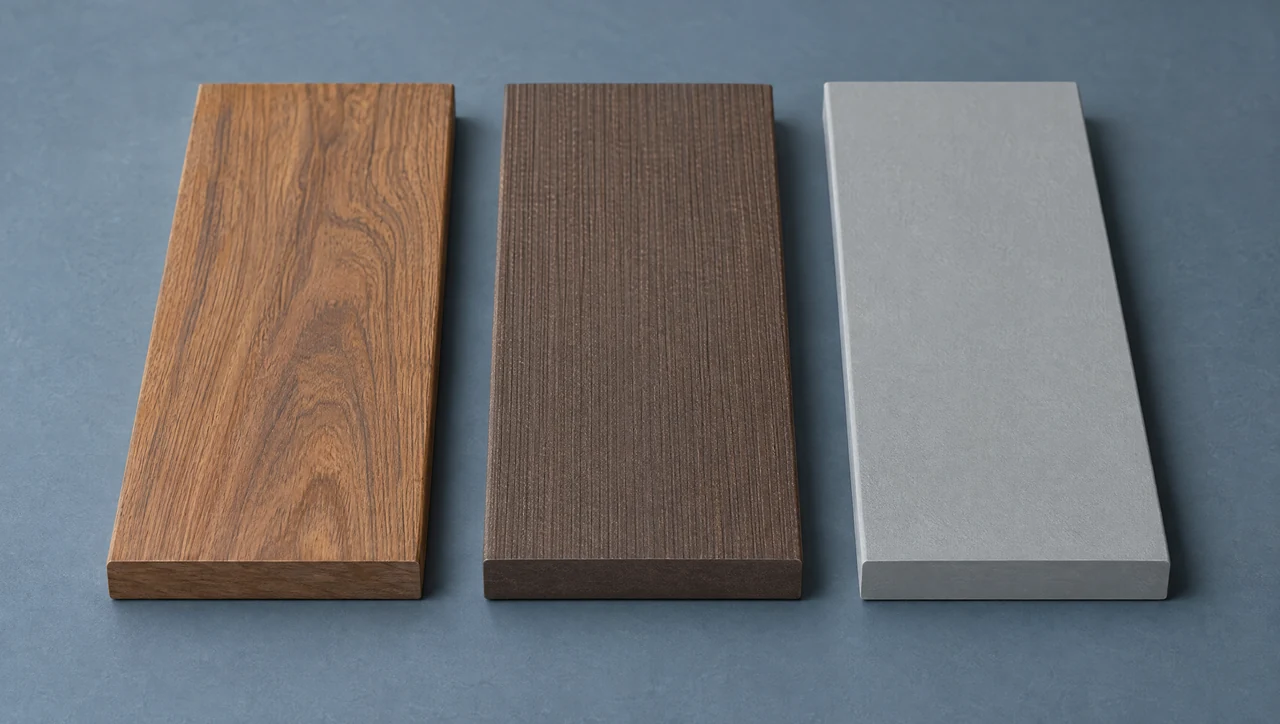
Open a guide below to document project constraints, its evidence and unresolved decisions.
How to identify products for a decking material comparison
“Wood,” “composite” and “PVC” begin a conversation; they do not finish a specification.
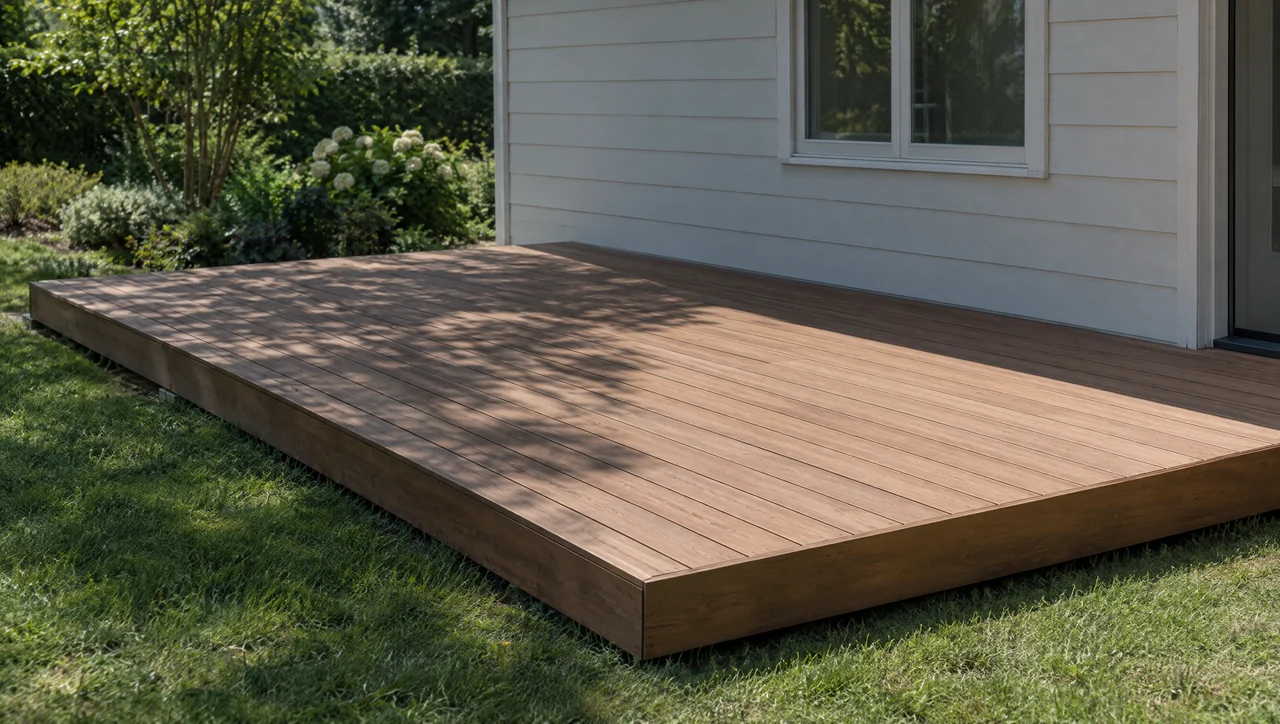
Choosing decking materials around project priorities
A useful shortlist reflects the place and the people who will use it.

How to read a decking product evaluation report
A test name or report number is a starting point for checking evidence.
Compare installation instructions side by side
A shared board width does not make two systems interchangeable.
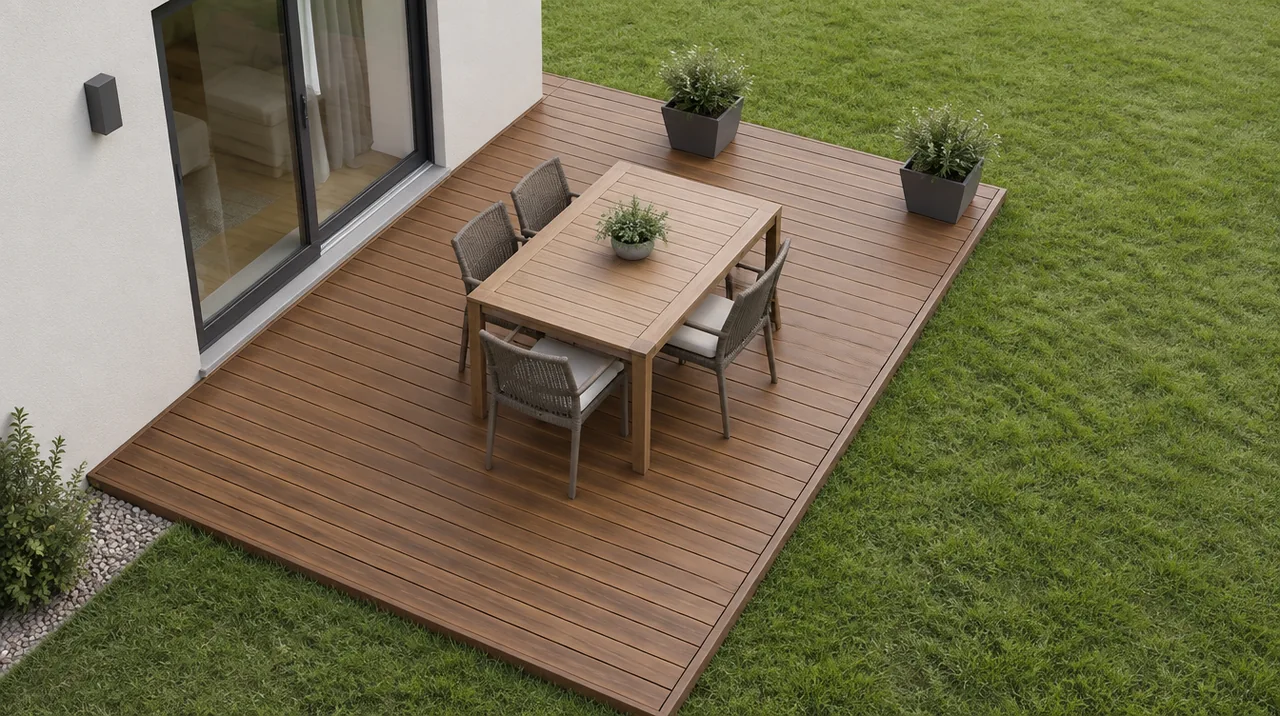
Compare tasks rather than “maintenance-free” claims
Ask what must be done, by whom and with what access.
Comparing decking surface comfort, heat and texture
A category-wide comfort ranking can hide the conditions that produced it.
Separate surface, stair and structural uses
A board approved for one use is not automatically suitable for the others.
Know what the evidence cannot tell you
A laboratory result, field observation and warranty answer different questions.